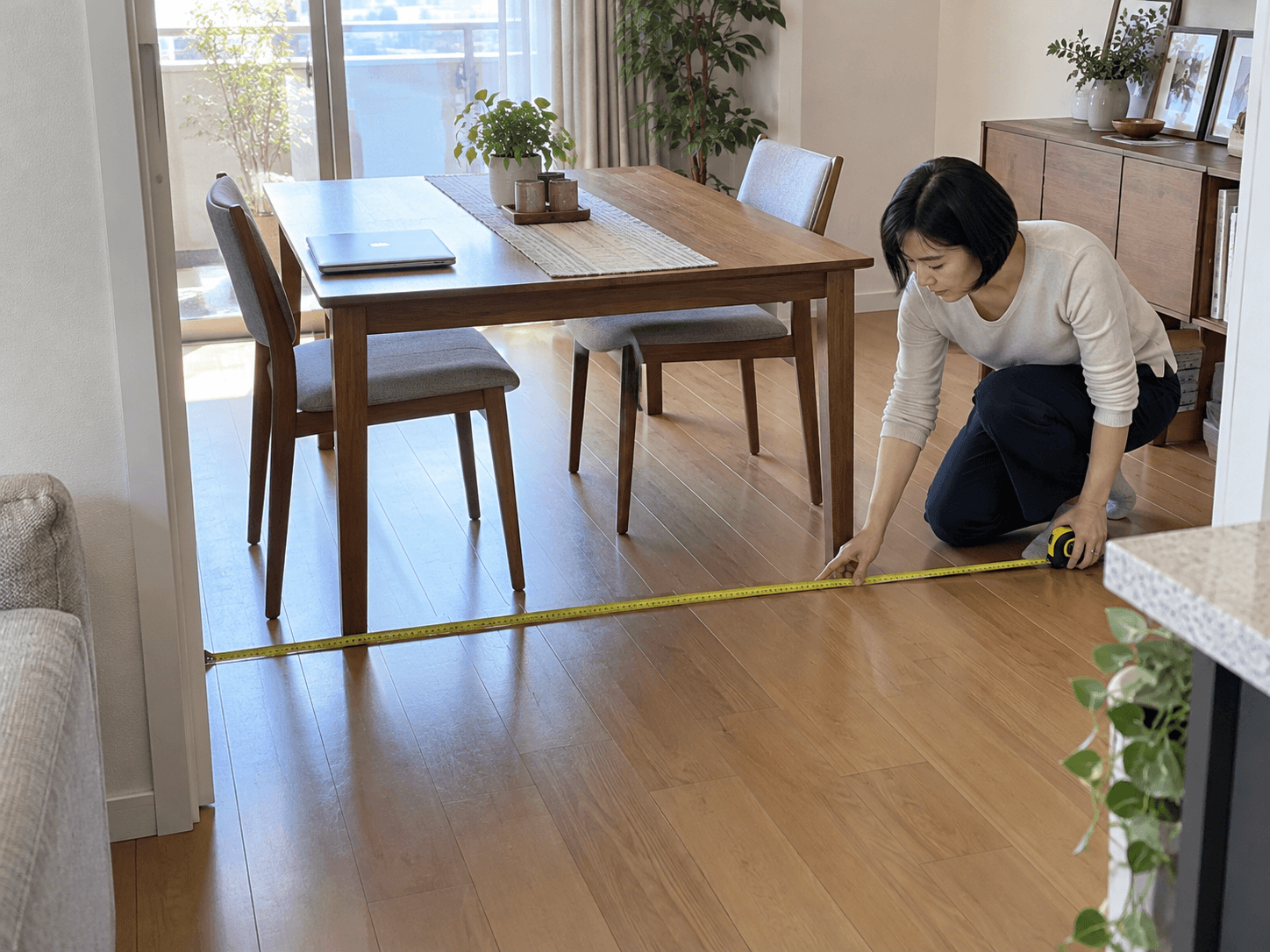
Maya works from her Ottawa apartment three days each week under a formal telework agreement. Her employer gives her a signed T2200. She puts it beside her rent receipts, then notices a problem: the room is also her dining room.
The form confirms employment conditions. It does not turn every household expense into a deduction.
Establish the eligible work period
Under the detailed method, Maya must meet the CRA's conditions, including being required to work from home and pay relevant expenses. A voluntary formal telework arrangement can satisfy the work-from-home requirement.
One workspace test is working there more than 50% of the time for at least four consecutive weeks in the year. A separate route concerns a space used exclusively to earn employment income and regularly and continually for in-person work meetings. Maya checks the route that actually describes her work rather than combining pieces of both.
Three eight-hour days at home out of a five-day, 40-hour workweek would be 60% of her working time. That can meet the first test if the arrangement lasts at least four consecutive weeks and the other conditions are met. It does not make 60% of her rent deductible, or allow a claim for months when she returned to the office full-time.
Measure the space and its use
For a shared dining area, floor area alone is insufficient. Maya records the dimensions and the time it is used for employment. She keeps a schedule supporting the eligible periods, particularly if her employer later changes the number of office days.
Suppose her reasonable workspace is 100 square feet in an apartment with 1,000 square feet of finished space, and she works there 24 hours each week. For that shared room, the calculation is 100 / 1,000 x 24 / 168 = about 1.43%. The 168 is every hour in the week, including nights and weekends.
On $2,400 of rent paid for a month covered by that eligible arrangement, the employment portion would be $34.29, before the employment-income limit. Keep the unrounded calculation until the final amount. A room used only for employment does not need this shared-use time reduction.
Sort the bills before applying a percentage
For a salaried employee, potentially eligible costs include a work-related share of rent, electricity, heat, water and reasonable monthly home internet access fees.
Mortgage interest and principal, a purchased desk, chair or computer, and capital renovations do not qualify. Home insurance and property taxes are not deductible for salaried employees under these rules; qualifying commission employees have different permitted expenses. Internet connection charges and modem or router rental are excluded too.
If her employer reimburses internet costs, Maya does not claim those same costs again. She also checks that the same portion of a shared household bill has not already been claimed by another person. CRA's expense list and limitations.
Keep the calculation with the form
The temporary flat-rate method applied only to 2020 through 2022. For a current claim, Maya completes Form T777, includes it with her return and claims the result on line 22900. She keeps the signed T2200, receipts and calculation rather than sending them with the return.
Workspace expenses cannot create or increase an employment loss. An unused eligible amount can carry forward against income from the same employer, subject to that limit. The useful file is the agreement, form, bills and allocation together, not just the signed page.