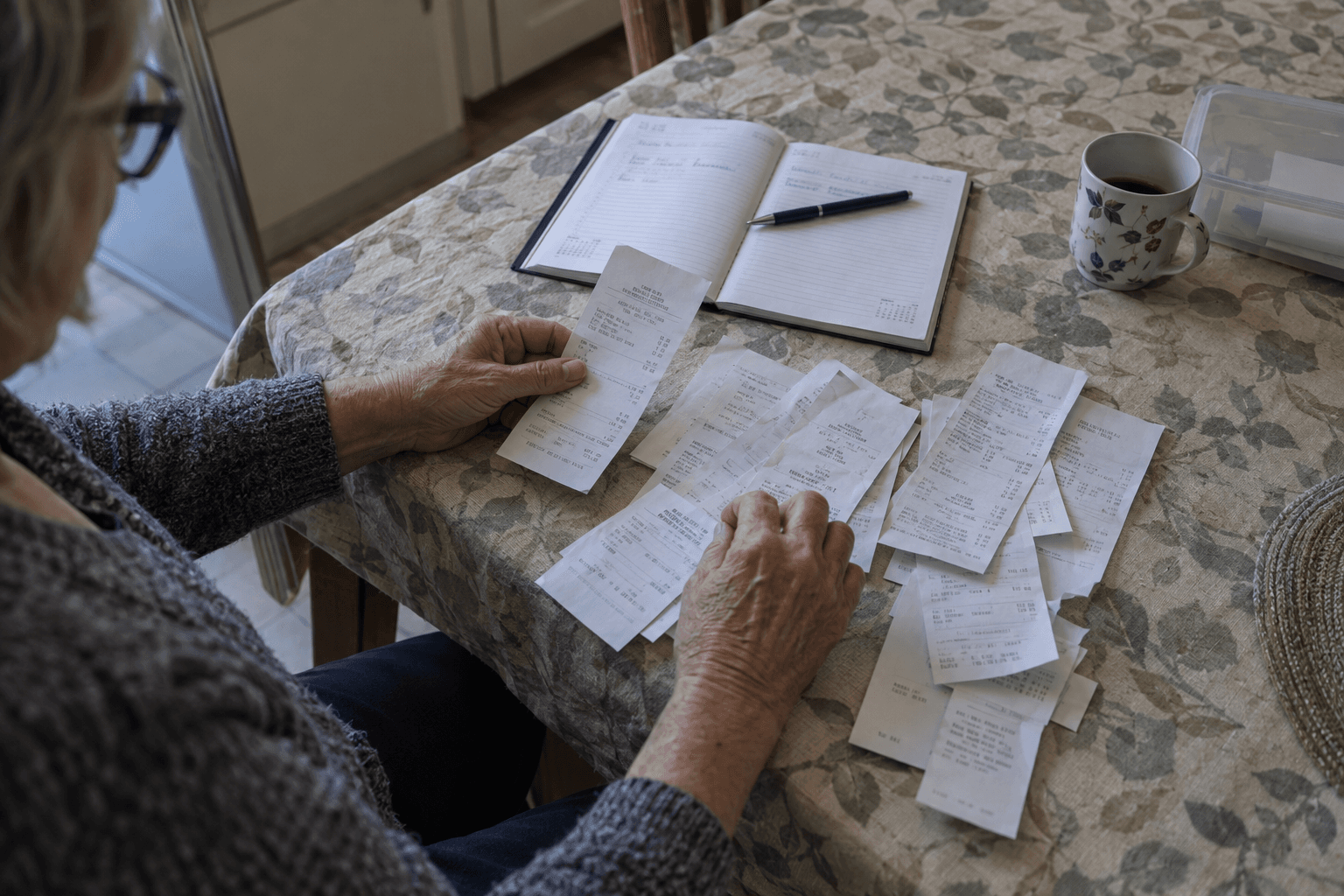
Lise remembered her last shift, her first day at the new job and the week she spent repainting the hallway between them. Her drug-insurance coverage followed a different calendar.
The old employer's plan continued after her last shift. The new employer's plan did not begin on her first day. When she prepared her Quebec return, "I had benefits at both jobs" was not enough information.
Ask for coverage dates, not employment dates
Request the actual end and start dates for basic prescription-drug coverage. A final pay stub, an old insurance card or a new employee welcome email may not establish them. Also check whether a spouse's group plan was available during the gap.
Keep the insurer or employer's confirmation. In Lise's example, the old coverage ends May 31 and the new coverage starts September 1. June, July and August need their own explanation. Those are three full months between plans, not the number of months she was unemployed.
This is a record-building exercise, not a premium calculation. Income, family circumstances and exemptions still affect the return.
Arrange coverage when it changes
For someone under 65, Quebec generally requires joining an available group plan that provides qualifying basic drug coverage. Otherwise, the public plan may apply. Simply declining an available group plan and paying the public premium does not create public-plan entitlement. Revenu Québec's line 447 instructions.
At 65, RAMQ enrolment is automatic, and someone eligible for private insurance has a choice: public coverage, private basic coverage, or public basic coverage with private supplemental coverage. Contact RAMQ before turning 65 if keeping private basic coverage alone. Check RAMQ's age-65 choices before applying the under-65 rule to a retirement-year return.
Lise checks her position when the change happens. She does not wait for tax season to discover whether she should have registered. RAMQ has a separate process to register for or deregister from the public drug plan.
Completing Schedule K with a tax return is not registration with RAMQ. Coverage and the annual contribution are related, but they are separate tasks.

No prescriptions does not mean no premium
The public-plan premium can be payable even when no prescription drugs were purchased. RAMQ explains that it depends on the person's situation and family income, and that the annual rate changes on July 1. Payments at the pharmacy and the premium collected through the tax return are different charges. RAMQ's annual-premium explanation.
Use the Schedule K and instructions for the tax year being filed. For example, Revenu Québec lists a maximum of $755 for the 2025 return. That is not the same reference period as RAMQ's annual tariff starting July 2026. Multiplying today's headline rate by a fraction of the year can therefore give the wrong answer.
Check exemptions before accepting the result
The return has full-year exemption codes and a month-by-month section for other situations. Coverage through your own or a family member's qualifying group plan can matter, as can age, income and other listed circumstances. Follow the conditions for the actual year; do not choose an exemption simply because its label sounds close.
Lise keeps a short file: coverage confirmations, any RAMQ registration changes, relevant family information and the completed calculation. If the tax software treats all twelve months alike, she can explain the three-month interval instead of guessing.
A broader medical-expense claim is another step. Keep receipts and reimbursement records for that review, using the medical-expense period guide. Paying a drug-plan premium does not itself decide which other medical costs qualify.
Checked October 22, 2026. The filing example uses the published 2025-return instructions; current RAMQ information is used to explain coverage administration.