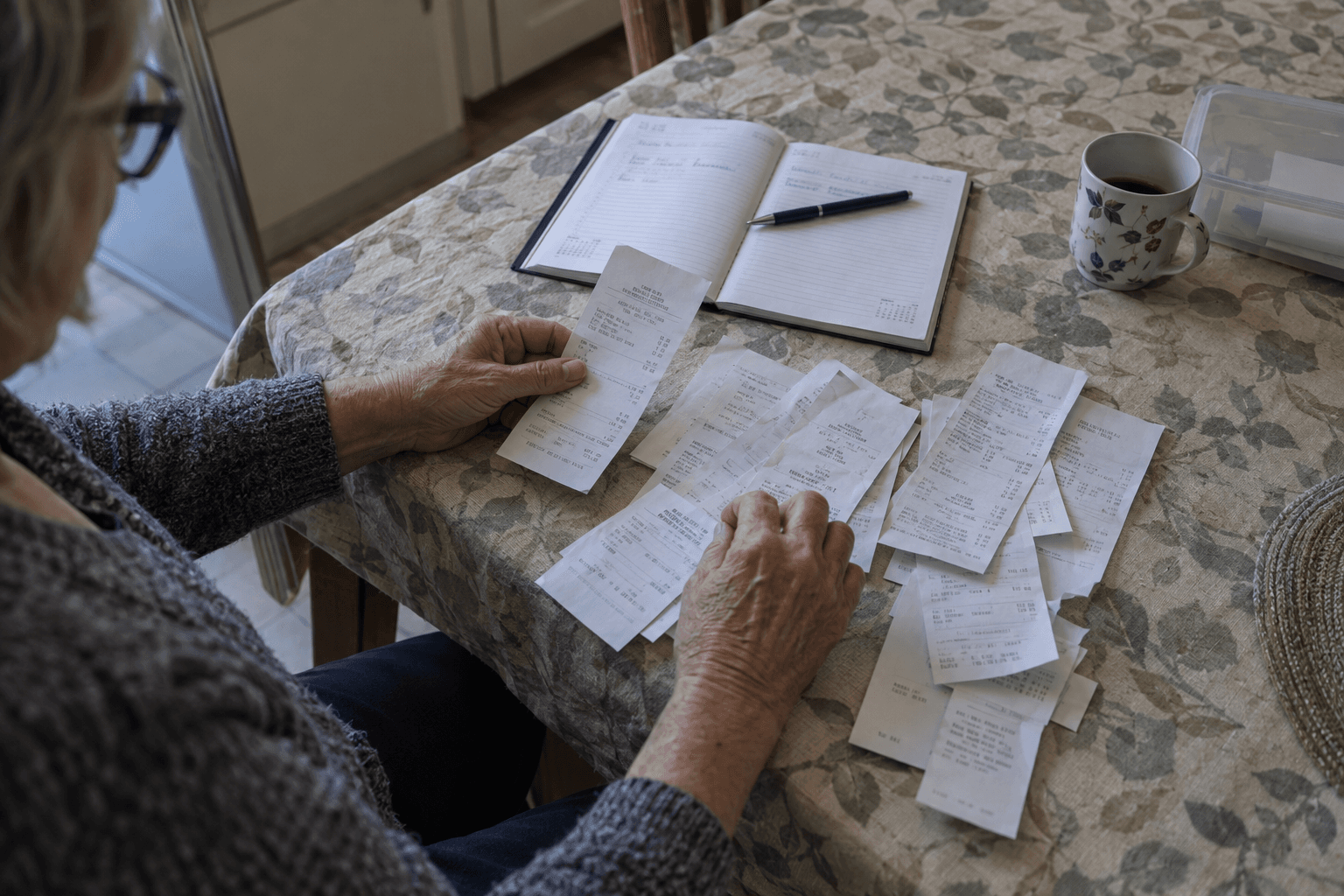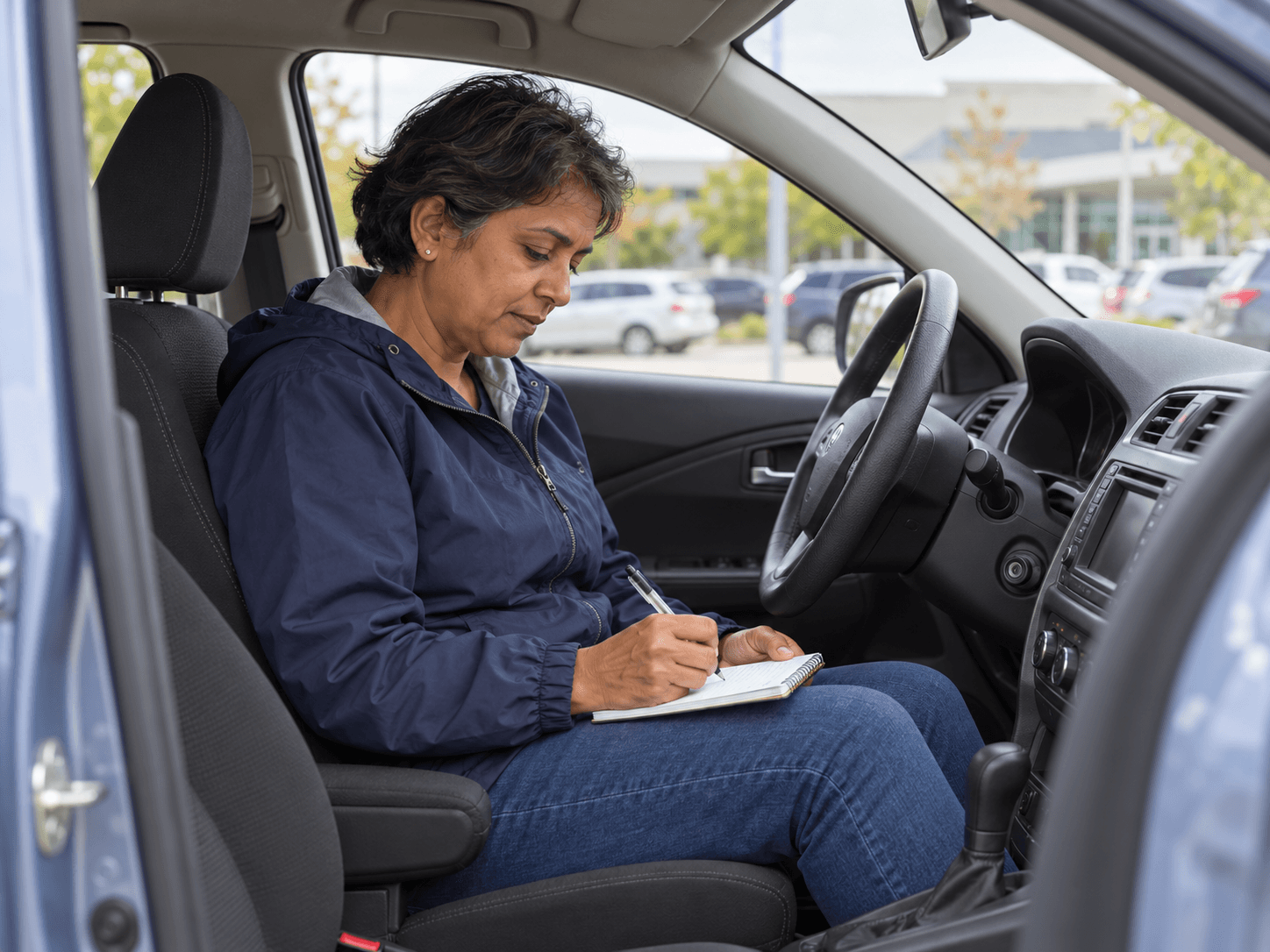
Before leaving the clinic parking lot, I wrote the trip in my notebook: 68 kilometres from home, 136 there and back. I had the appointment confirmation and the parking receipt. I also had a sandwich receipt, which was about to become less useful than I had hoped.
The distance for deciding which travel costs qualify is not the same as the mileage used to calculate an eligible car trip.
Start with the reason for travelling
Medical travel is not eligible simply because an appointment took place far away. Substantially equivalent medical services must have been unavailable near home, the route must have been reasonably direct, and travelling there must have been reasonable in the circumstances. For a private vehicle claim, public transportation must not have been readily available. CRA's travel conditions, paragraphs 1.64 to 1.70.
In my example, the required service was unavailable locally and no suitable public transportation was readily available. A personal preference for a more distant clinic would not establish those facts. I kept the referral and appointment details with my travel record.
Use the one-way distance for the thresholds
For ordinary medical travel, the CRA distinguishes these distances from your home:
| One-way distance | Potential eligible costs |
|---|---|
| Less than 40 km | Ordinary travel costs do not qualify under these rules. |
| At least 40 km, less than 80 km | Transportation, if the other conditions are met. |
| At least 80 km | Transportation plus reasonable eligible meals, accommodation and parking. |
These are eligibility thresholds, not amounts the CRA pays per trip. Ambulance charges have separate rules. Travelling only to collect medication or a medical device does not qualify as travel to receive medical services. CRA medical-expense guide.
My clinic was 68 kilometres away one way. Driving 136 kilometres in total did not turn it into an 80-kilometre trip for meals, accommodation or parking. The sandwich and parking therefore stayed out of this travel claim.
Calculate the qualifying car journey
Once the trip qualifies, the simplified vehicle method uses eligible kilometres and the CRA rate for the province or territory where the journey began. For 2025, Ontario's rate is 62 cents per kilometre. My Ontario journey therefore gives 136 × $0.62 = $84.32 in vehicle expenses. That is an expense amount, not an $84.32 tax refund. CRA's 2025 meal and vehicle rates.
The detailed method instead uses actual vehicle costs allocated to eligible travel. Do not add fuel receipts on top of simplified mileage. Use the rate for the expense year; the 2025 rate above is not a published 2026 rate.
For qualifying meals on an eligible longer trip, the 2025 simplified rate is $23 per meal, up to $69 per day per person. That method does not remove the travel-eligibility conditions or the need to document the trip. Keep accommodation and parking receipts when those costs qualify. Calculation methods.
Keep evidence for the patient and any attendant
One accompanying person's travel may qualify when a medical practitioner certifies in writing that the patient cannot travel alone. Being helpful company is not enough. Keep that certification, dates, destination, reason for the appointment, distance, receipts and any reimbursement information. Attendant and receipt requirements.
Generally, exclude reimbursed costs unless the reimbursement was included in income and not deducted elsewhere. Add the eligible net travel expenses to the appropriate medical-expense period; the medical credit's income-based threshold still applies.
I kept the sandwich receipt for my own budget. My tax file got the smaller amount, with a much clearer explanation.
Checked October 20, 2026. Federal medical-travel rules, with explicitly dated 2025 simplified rates.