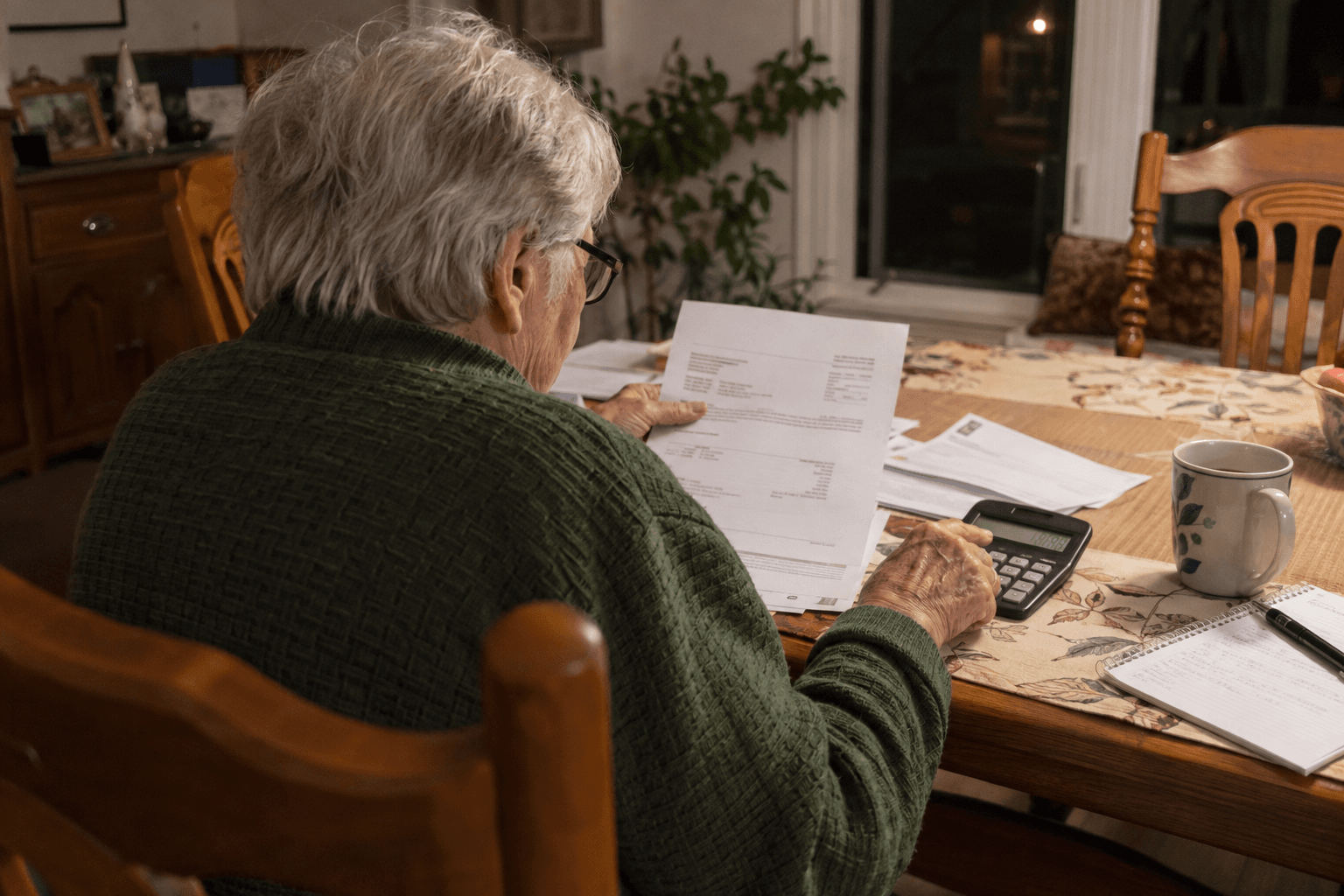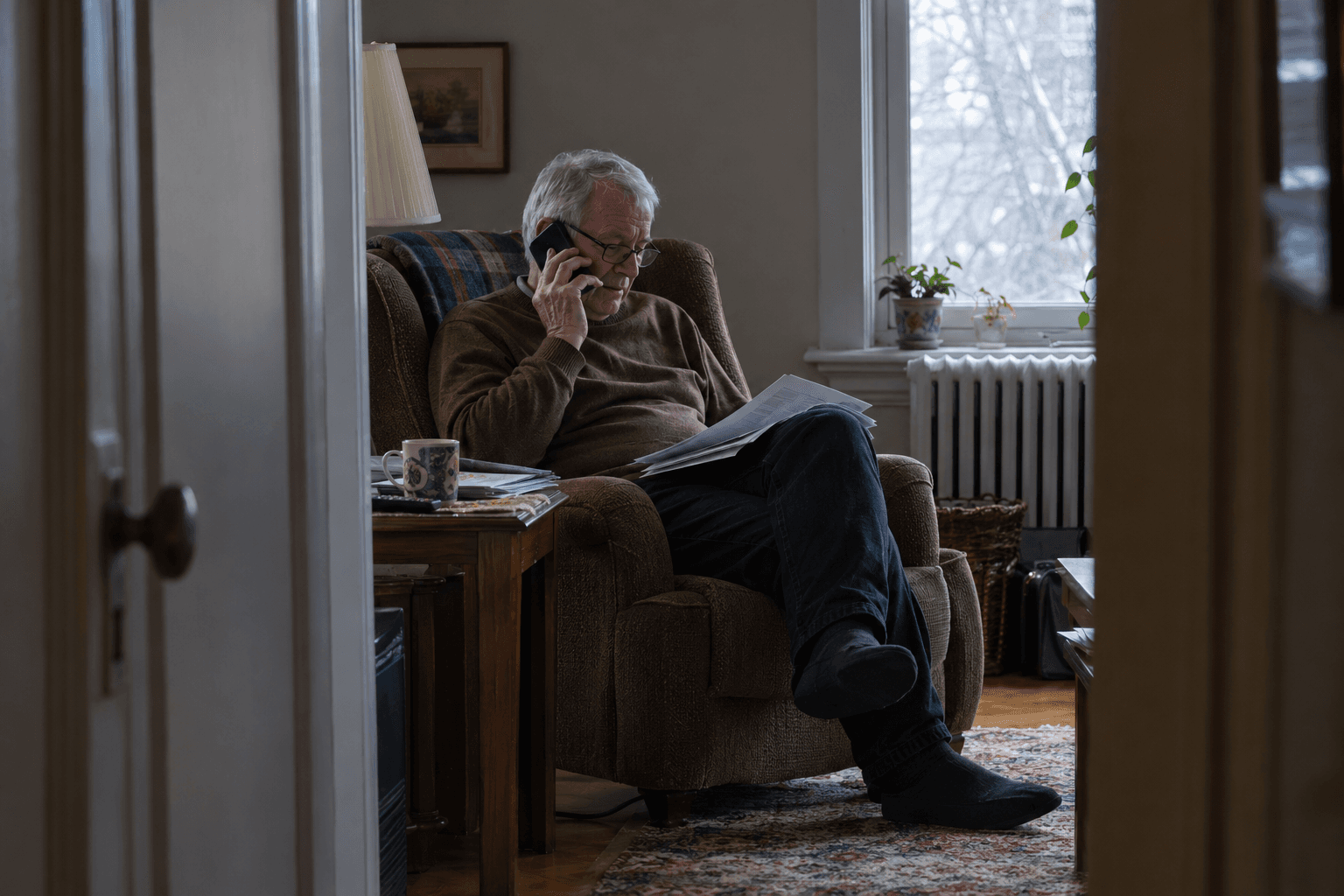
A retiree can have a prior-year tax return showing wages that are no longer being earned. For Guaranteed Income Supplement purposes, that old income picture may not reflect the new situation.
Service Canada asks people to contact it when retirement, or a reduction or end of other pension benefits, lowers their or their partner's annual income.
Prepare the change, not just the new bank balance
Record the retirement date, final employment payments, pension start or stop dates and expected income for the year. Include the spouse or common-law partner's information where relevant.
For example, a person who retires in June may have six months of wages, a final vacation payment and pension income later in the year. Multiplying the first post-retirement month's deposit by twelve would miss part of that history.
Keep each source separate so the requested estimate can follow Service Canada's income definitions and exclusions. Do not substitute a personal spending budget for an income calculation.
Ask about an income estimate
In eligible retirement or pension-reduction situations, Service Canada can calculate the benefit using estimated current-year income instead of last year's income. Contacting the agency starts the review; it does not guarantee a particular payment or immediate increase.
Keep the request, supporting documents and decision letter. If the estimate changes materially, report the updated information rather than allowing payments to continue on a figure you know is wrong.
Continue annual filing and updates
GIS is not taxable, but annual tax filing remains important to the benefit review. Service Canada asks recipients to file by April 30 to avoid interruptions.
Marital status, residence and extended absences can also affect eligibility and should be updated through the appropriate process.
The practical next step after a retirement-related income drop is a documented contact with Service Canada. Waiting for next year's return is not the only route to having the change considered.