After a Saturday café shift, Lucas has wages on a pay statement and tips in his pocket. Some other tips arrive through the employer's payroll. Waiting for a T4 will not necessarily capture all of them.
For an Ontario employee, tips are income. Whether they are cash or electronic does not decide whether they must be reported.
Record each shift while it is fresh
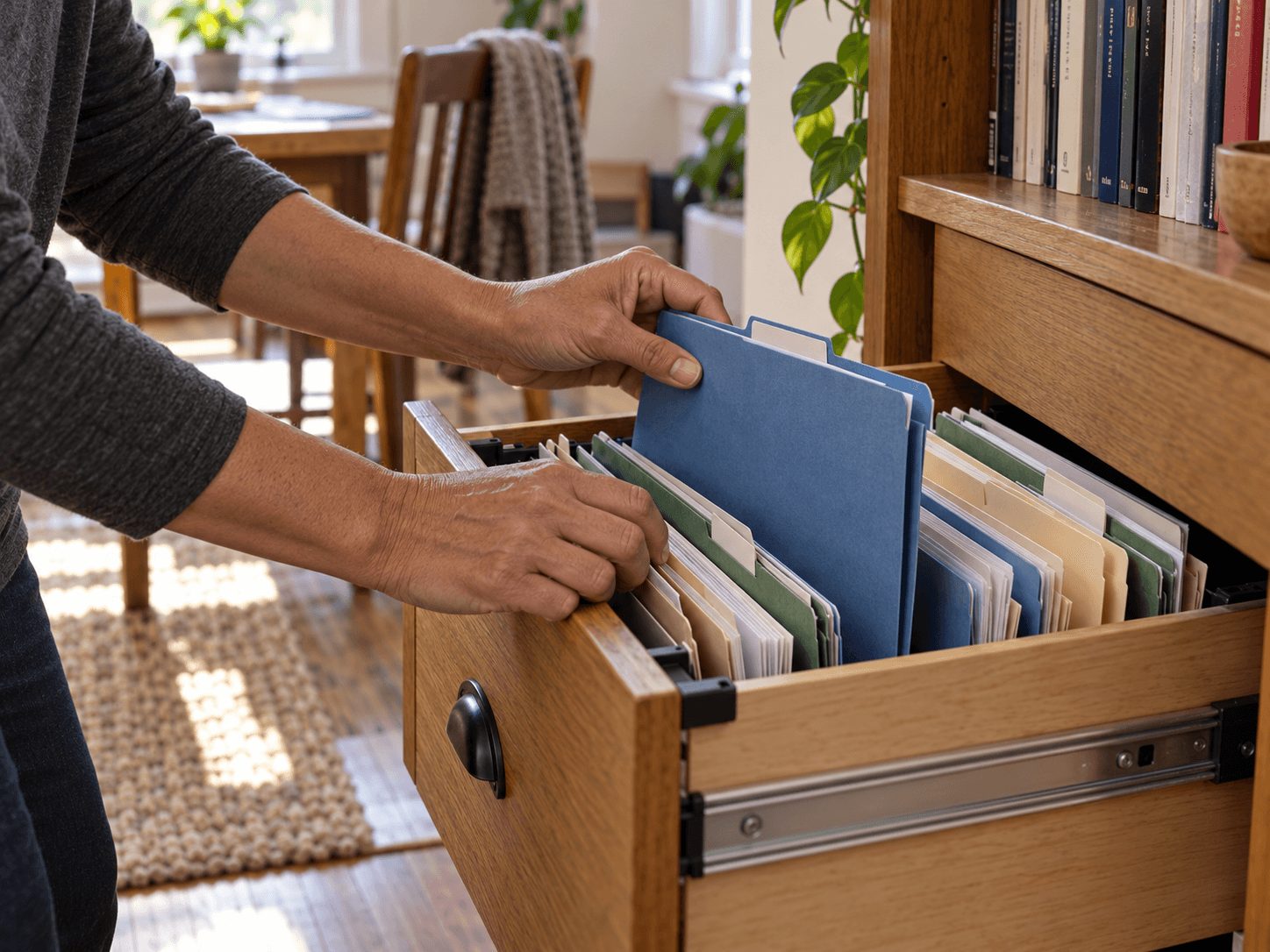
Lucas records the date, direct tips received, amounts passed to coworkers and the amount he keeps. He also keeps evidence of electronic tip payments and the workplace's distribution arrangement.
A dated record is more useful than applying a guessed percentage to annual sales. Different shifts, customers and tip-sharing arrangements can produce very different results.
Ask how the employer treats its payments
The CRA distinguishes controlled tips from direct tips according to the arrangement, not simply the payment method. Controlled tips are generally included on the T4 and subject to payroll deductions. Direct tips are generally reported separately by the employee when they are not included on a T4, usually on line 10400.
Lucas asks payroll for an explanation of the year-to-date tip figure on his statements. He compares that with his notebook. He does not add an employer-reported tip amount a second time just because it also appears in his daily records.
Plan for the tax that was not withheld
Income tax may not have been deducted from direct tips. Lucas includes them when estimating his total annual income, particularly because he also has an office job. The amount to set aside depends on the whole return; there is no universal tip-tax percentage.
He keeps his records with the T4 and asks about any discrepancy before filing. Quebec has additional declared-tip and allocation rules, so this Ontario example should not be copied into a Quebec payroll situation without checking those rules.