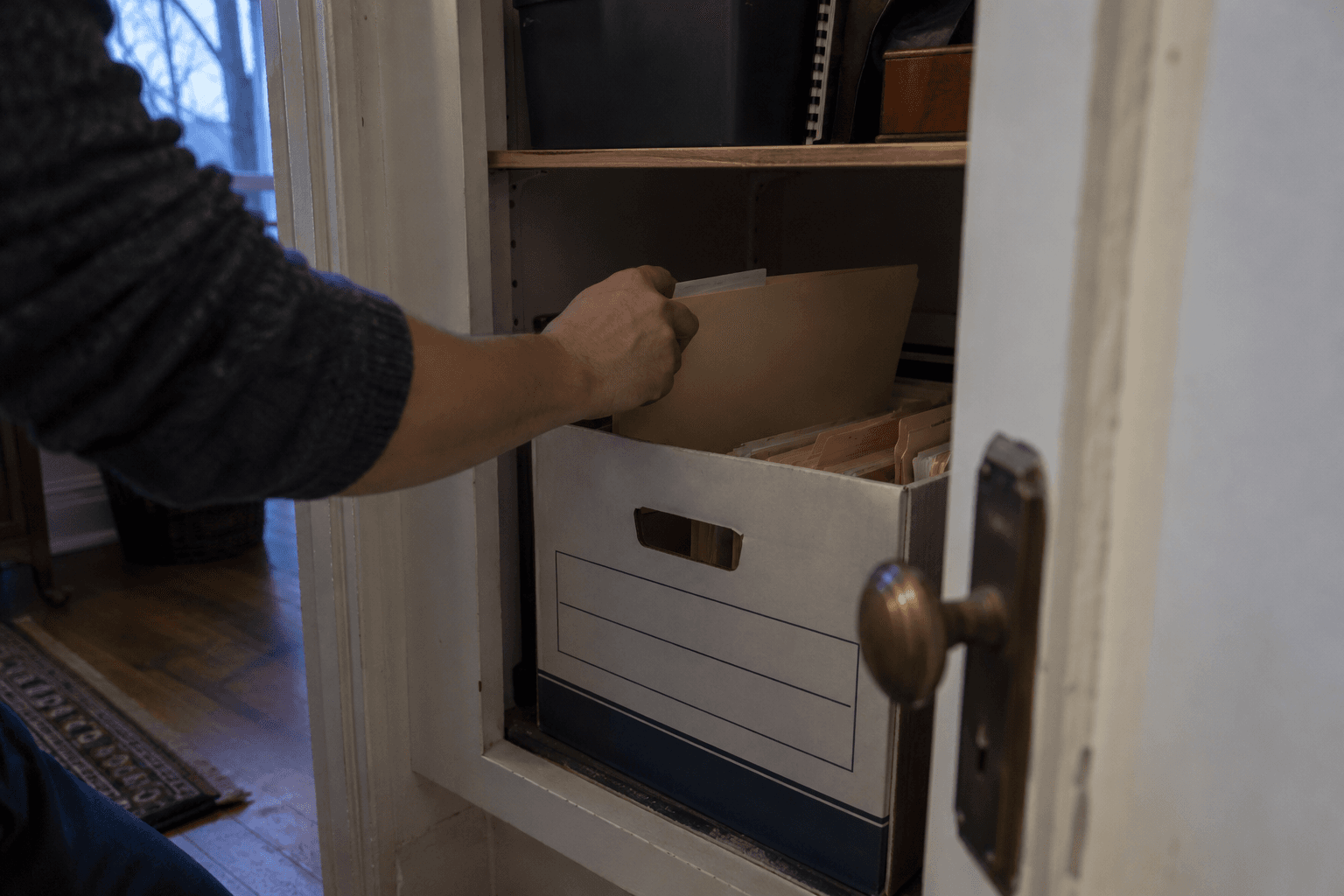
A contractor folder should explain both what you bought and who supplied it. Saving an e-transfer confirmation alone leaves too much to reconstruct later.
Start with the working arrangement
Keep the supplier's legal name, business contact details, agreement, scope, dates, pricing and evidence of the work delivered. Record who controls the work, supplies tools, bears financial risk and can hire help where those facts are relevant.
Calling someone a freelancer, asking for invoices or signing a contractor agreement does not by itself establish self-employed status. CRA considers the actual relationship. Either party can request a CPP/EI ruling when the status is uncertain. CRA's employee-or-self-employed guide.
Make the invoice traceable
Match each invoice to the work and payment. Keep fees, reimbursed costs and sales taxes identifiable. If claiming an input tax credit, check the supplier's GST/HST registration and the invoice information required for that claim. A business expense and an input tax credit have different requirements.
For example, a $900 design fee plus applicable HST should not become an unexplained $1,017 transfer in the ledger. The invoice should explain the service and tax, and the payment record should show that the invoice was settled.
Check reporting before year-end
Fees for services can require an information slip even where the supplier operates a business. T4A reporting is common, but construction, non-resident services and other arrangements can use different slips or rules. A penalty-relief policy does not erase the underlying reporting requirement. CRA's current fees-for-services guidance.
Collect required identifiers securely and only for a defined reporting need. Resolve the correct slip, threshold and deadline before filing season, while the supplier and agreement are easy to locate.
Checked October 20, 2026. Keep the completed folder with your business records.